WIRE
Automatic wire soldering
From a semi-automatic single unit to a 24-axis line: cutting, stripping, tinning, picking and soldering inside one cycle, for 1 to 6 wire colours.
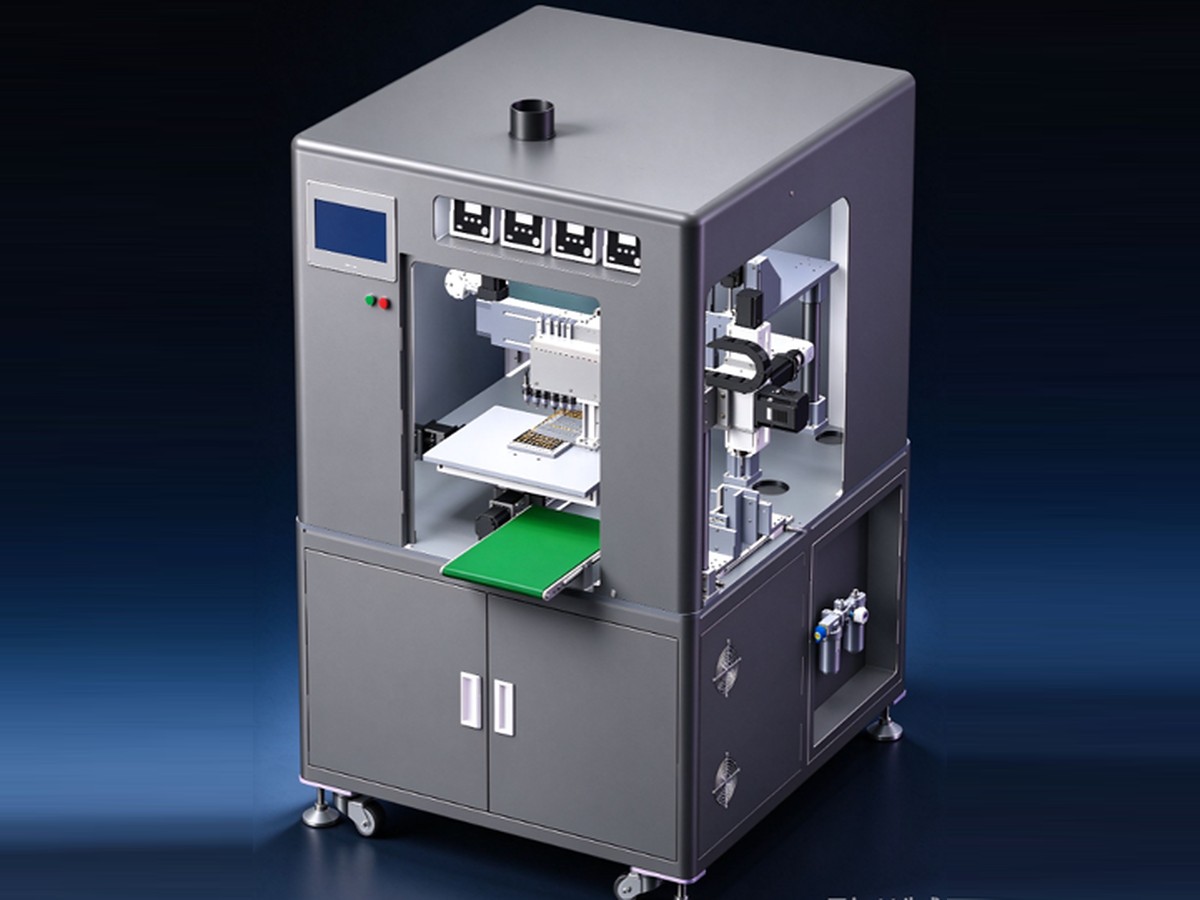
The hard part of wire soldering is the wire: how long to cut, how deep to strip, where the tinning stops, and how to bring the wire to the joint without moving it. The machine turns those steps into one cycle; the operator loads and changes programs.
The range runs in three tiers: semi-automatic units with multi-wire, through-hole and aviation plug stations for small batches and odd parts; the HC-533 desktop machine for high-mix work; and the HC-100A/B, HC-2000A/B and HC-600 with 16 to 24 axes and six soldering heads, handling 1–6 wire colours and 30–300 mm wire lengths.
What it solders
- Harness terminals, connectors, aviation plugs and flat ribbon wire
- 1–6 wire colours, AWG28#–16#, 30–300 mm length
- Solder wire from 0.2 to 1.2 mm
- PCBs up to 250 × 250 mm with through-hole parts and pads
- Backlight and CCS modules on a two-level station layout
| Semi-automatic | HC-B2026A multi-wire / HC-2026B through-hole / HC-B2026C aviation plug |
|---|---|
| Semi-automatic data | 400 × 450 × 285 mm, 50–100 W, precision wire feed |
| Desktop | HC-533: 500 / 300 / 100 mm travel, 80–600 °C, 999 programs |
| Fully automatic | HC-100A (16 axes) / HC-100B (24 axes), 6 soldering heads |
| Multi-head | HC-2000A / HC-2000B: 24 axes, 1–6 wire colours |
| PCB size | 250 × 250 mm |
| Wire length / gauge | 30–300 mm / AWG28#–16# |
| Power | AC 220 V / 50 Hz |
Figures are typical configurations. Final specifications follow the contract and the sample run.
Configuration options
A machine is configured, not bought off a shelf: the options below change what it can do, not only how it looks.
- Three semi-automatic stations: multi-wire, through-hole, rotating aviation plug
- 16 or 24 axes on the automatic machines, chosen from wire count and cycle time
- Six soldering heads working in parallel across 1–6 colours
- PCB magazine on HC-100B and HC-2000B for unattended board loading
- Laser wire soldering variants: bench, vertical and automatic
Frequent questions
Semi-automatic or fully automatic?
Two numbers decide it: daily volume and changeover frequency. Low volume with many part types and manual placement favours semi-automatic, which is cheaper and quicker to set. Stable volume, one part family, fixed wire count and colours is where an automatic machine pays back, because cutting, stripping, tinning, picking and soldering all sit in the cycle.
How many wire colours can one machine run?
HC-2000A/B handles 1–6 colours, HC-100A/B handles 1–4. Colour count sets the spool and feed configuration, so the colour combination has to be fixed at order stage.
What wire range is supported?
Standard builds cover AWG28#–16# with 30–300 mm lengths. Outside that range the feed and cut mechanism has to be assessed separately, which the sample run settles.
The other three families
One machine rarely covers a whole product. These are the lines that usually sit next to this one.
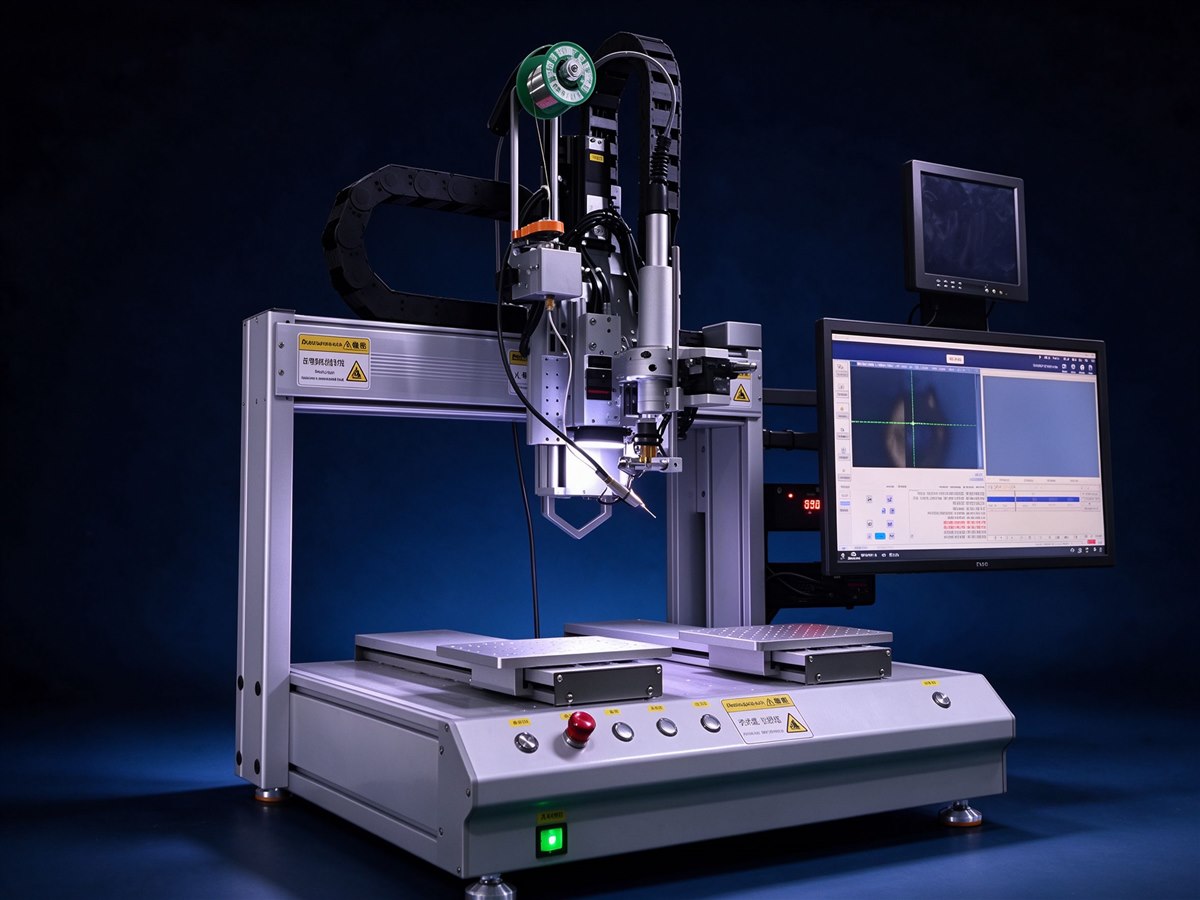
Laser soldering machines
Semiconductor laser heating, coaxial CCD positioning and automatic wire feed, in desktop and inline formats for batch and continuous production.
View the machine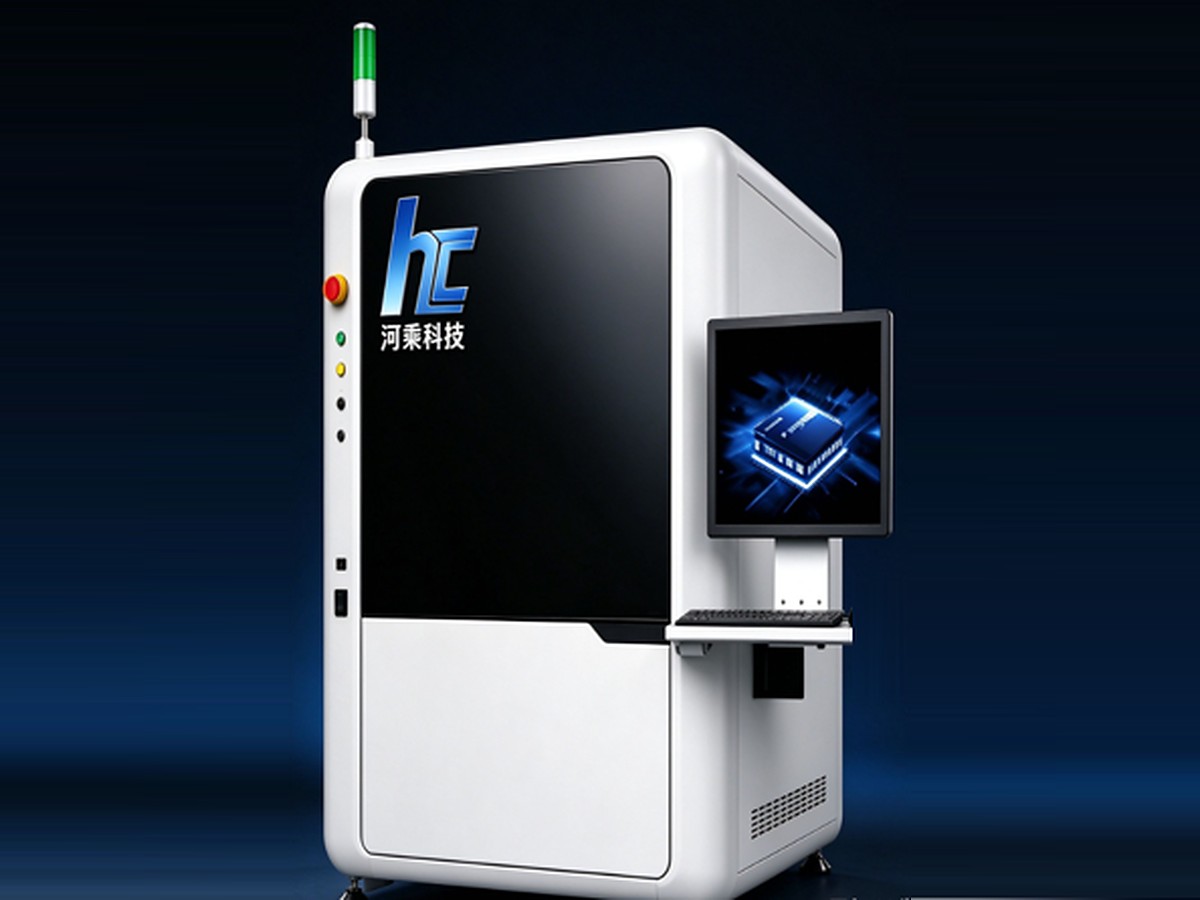
Laser solder ball jetting
Disc-fed solder balls from 100 to 1800 µm, melted by laser without contact and released with nitrogen, built for micro joints.
View the machine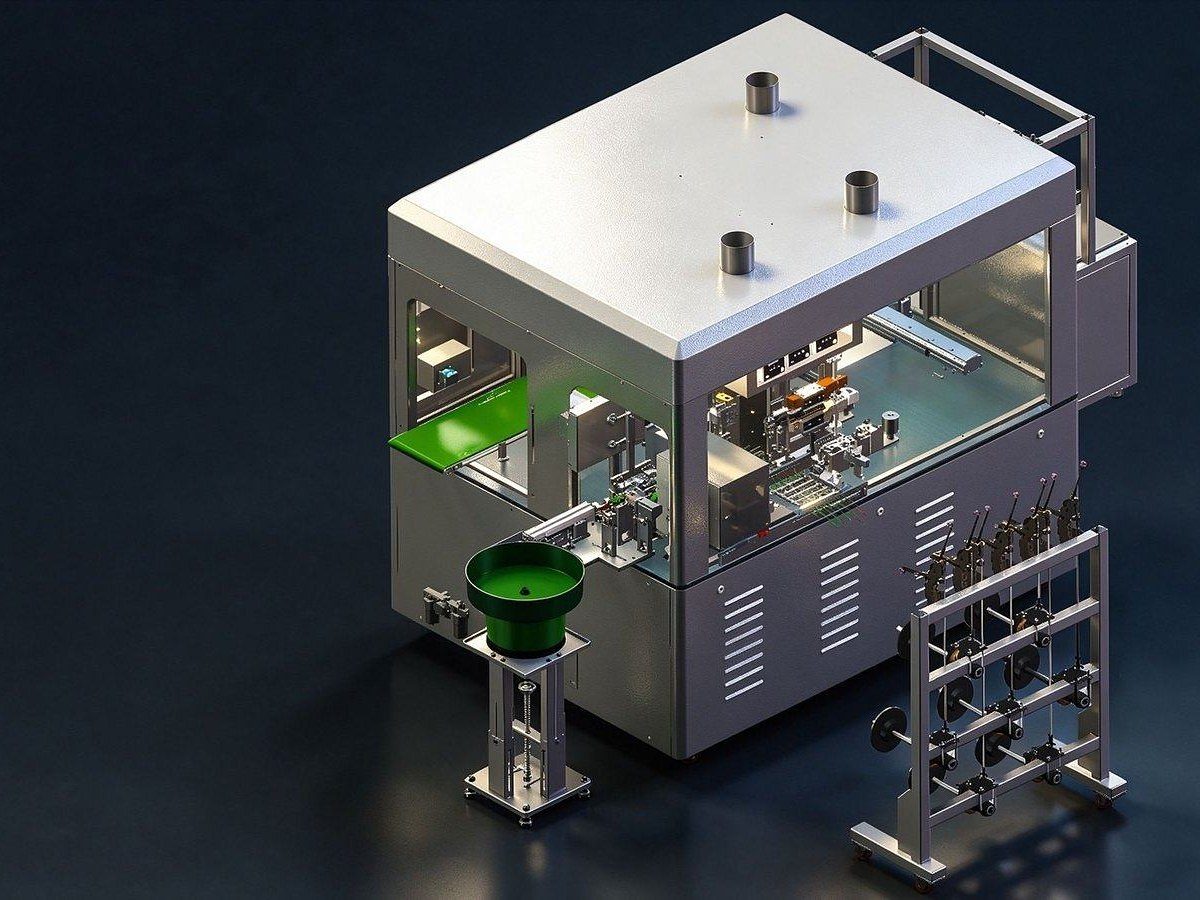
Custom soldering lines
Nebulizer mesh, microphone capsule, earphone, display, car fridge and backlight CCS lines: fixture transfer plus multi-axis platforms, single machine to full line.
View the machineAsk for a configuration for your part.
Send the part photo, the joint position and the cycle time; the reply is a process judgement and a machine layout.