LINE
Custom soldering lines
Nebulizer mesh, microphone capsule, earphone, display, car fridge and backlight CCS lines: fixture transfer plus multi-axis platforms, single machine to full line.
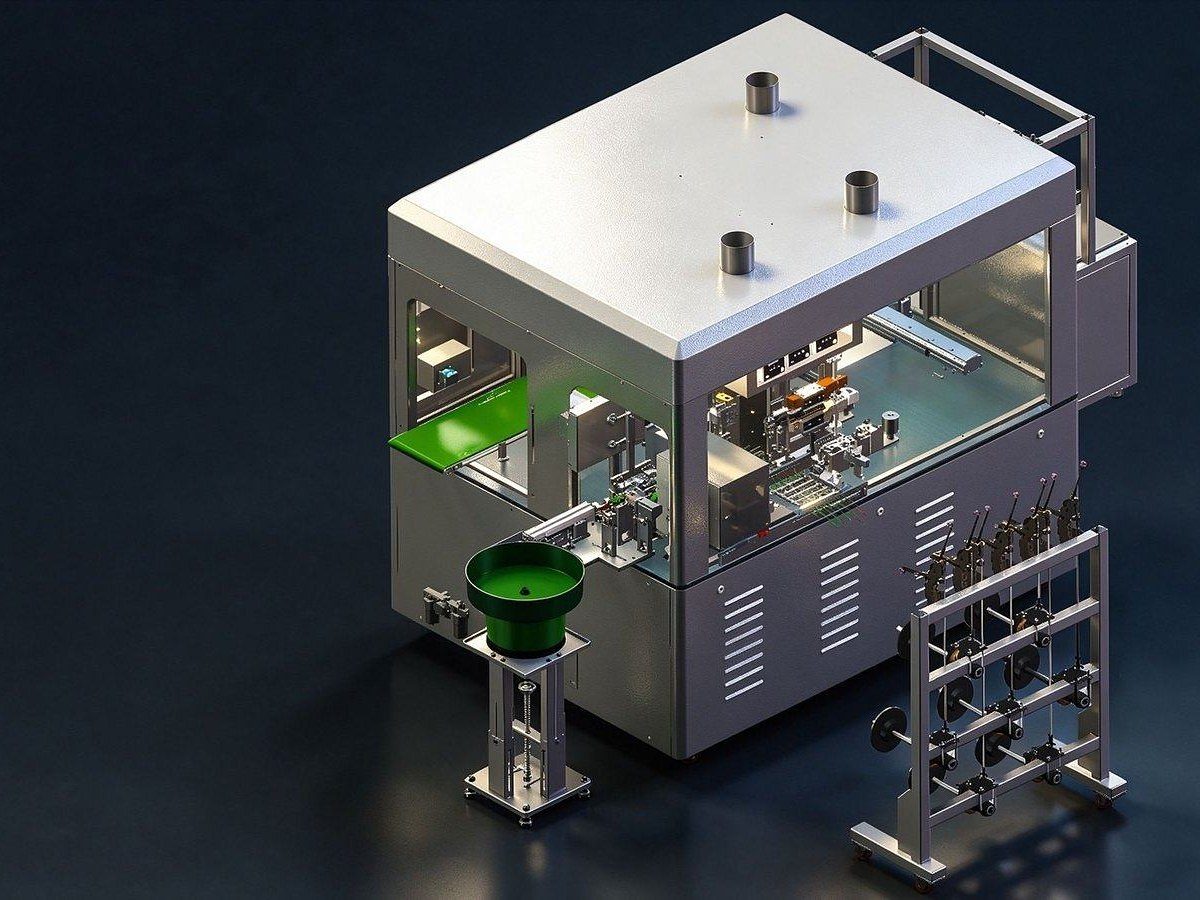
Standard machines cover general processes; custom lines cover a specific product. Once a part has to be loaded automatically, pass several stations, and be inspected before and after soldering, a single machine is no longer enough: loading, soldering, inspection and unloading have to share one cycle.
HanCheng builds lines around the product: nebulizer mesh, microphone capsules, earphones, displays, car fridges and backlight CCS modules each have a configuration. The structure is a fixture transfer line with high-precision multi-axis platforms, where soldering is one station among several and the line sets the cycle, not the soldering head.
What it builds
- Nebulizer mesh automated soldering lines
- Microphone capsule lines and earphone soldering
- Display soldering tied to the assembly section
- Car fridge assembly and soldering lines
- Backlight and CCS modules on a two-level station layout
- Fixture transfer with load, solder, inspect and unload in one cycle
| Line types | Nebulizer mesh / microphone / earphone / display / car fridge / backlight CCS |
|---|---|
| Structure | Fixture transfer line with high-precision multi-axis platforms |
| Stations | Multi-station layout; two-level stations for backlight |
| Process scope | Load · solder · inspect · unload in one cycle |
| Soldering method | Laser, wire soldering or ball jetting, chosen per joint |
| Delivery scope | Single machine to full line, with fixtures, programs and process parameters |
| Basis of design | Layout drawn from part structure, cycle time and yield target |
| Power | AC 220 V / 50 Hz |
Figures are typical configurations. Final specifications follow the contract and the sample run.
Line details
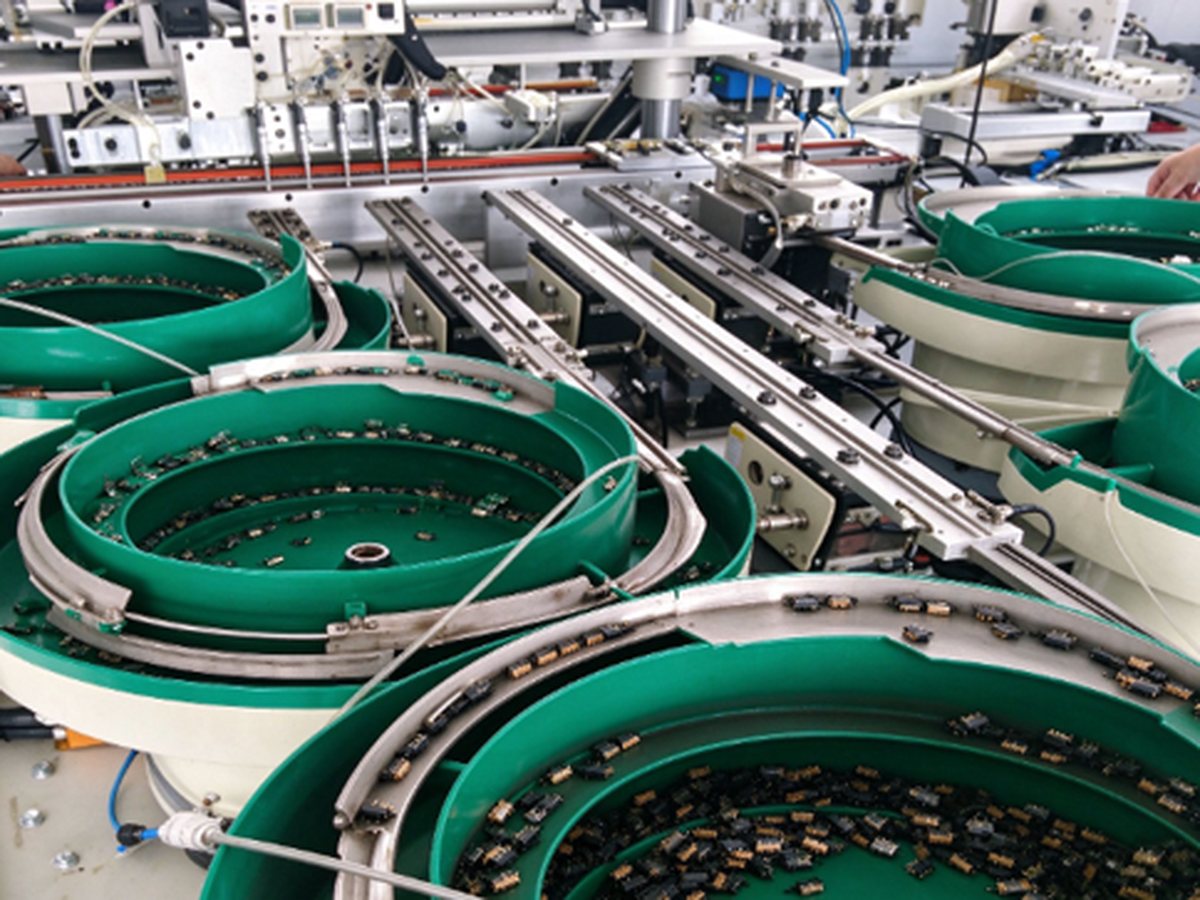
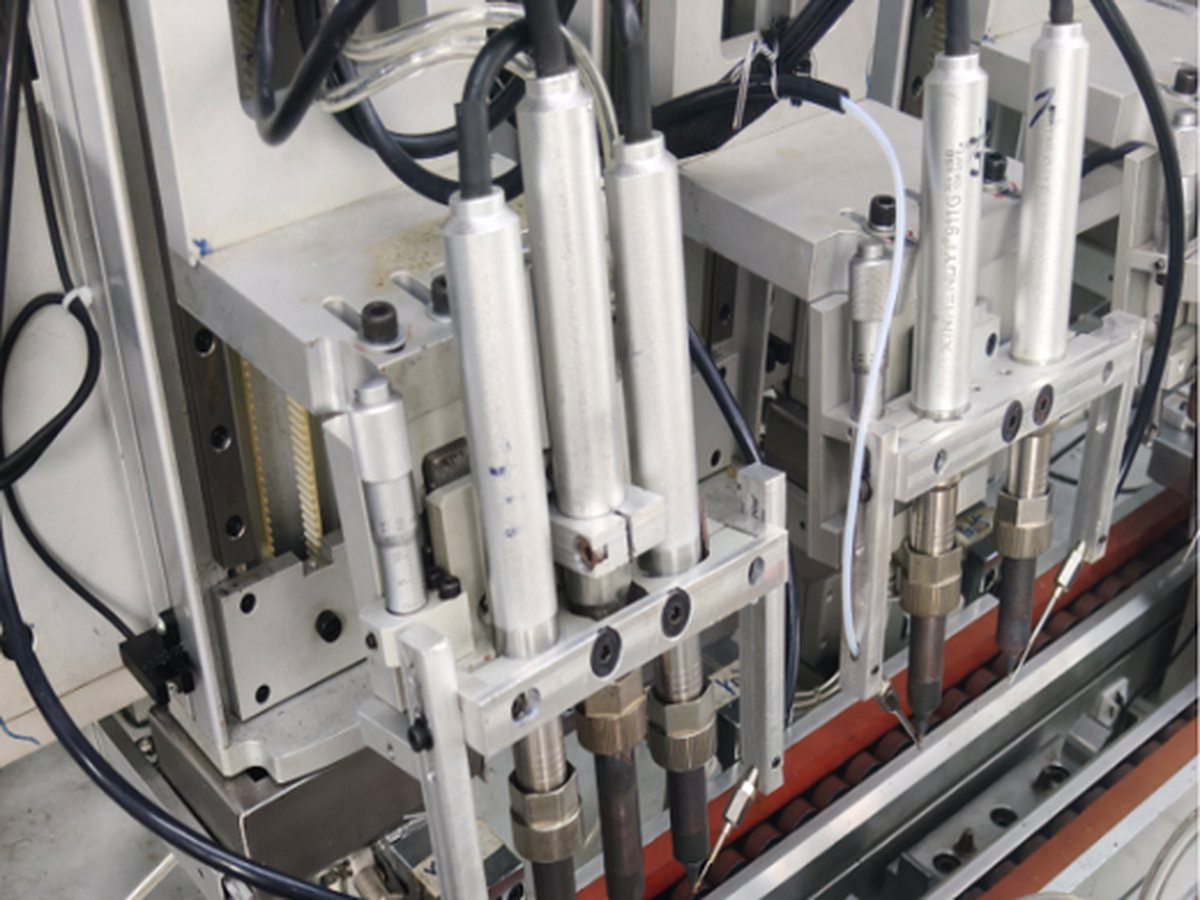
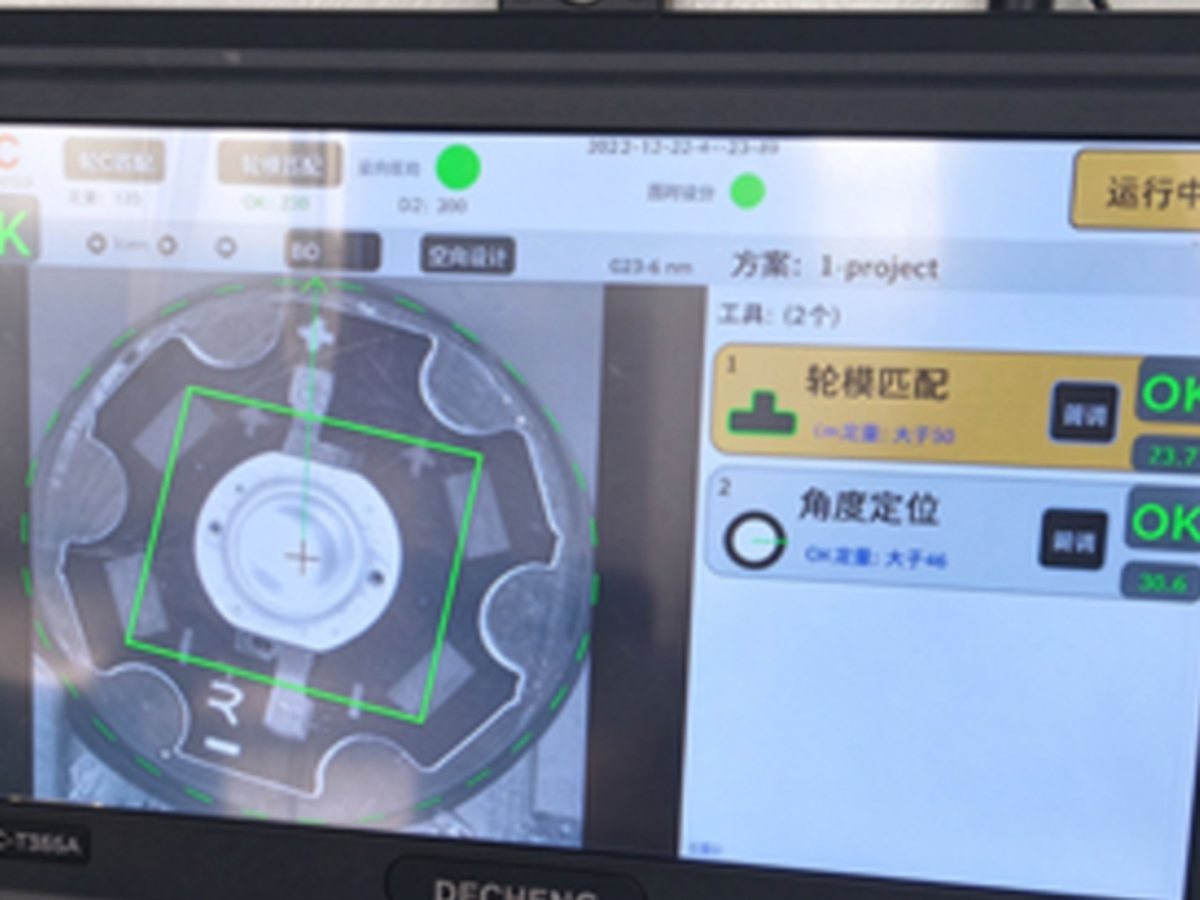
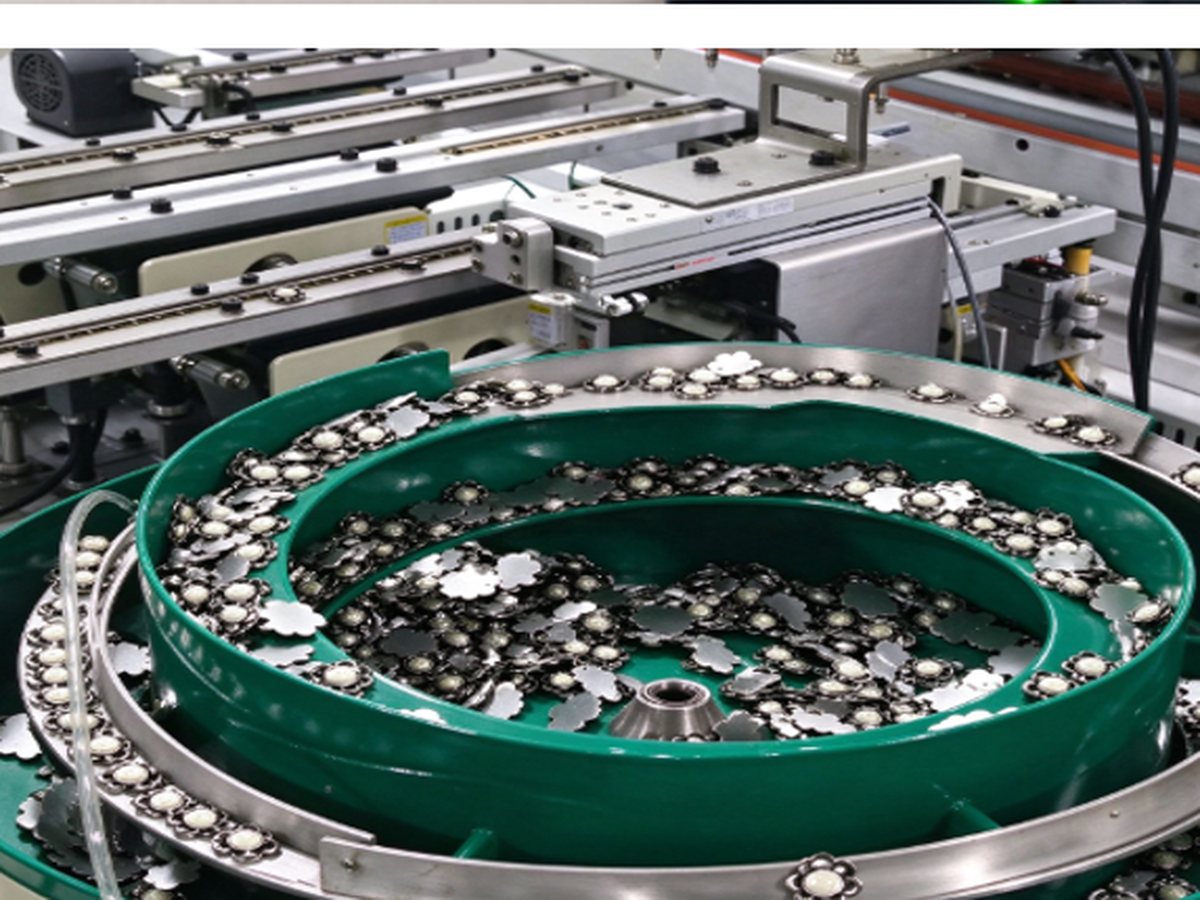
Built lines in the field: vibratory feeding, fixture transfer, multi-station soldering modules and inline vision checks.
Configuration options
A machine is configured, not bought off a shelf: the options below change what it can do, not only how it looks.
- Multi-axis platforms, axis count set by joint distribution
- Two-level station structure for output per square metre
- Inline inspection: post-solder visual or electrical test
- Transfer and buffer modules to link with upstream and downstream equipment
- Fixtures and jigs designed around the part
Frequent questions
How long does a custom line take?
It depends on station count and how much process validation is needed. The sequence is a sample run to settle the joint, a layout drawing, then fabrication, in-house run-in and site installation. Dates are agreed in the proposal and contract; the sample stage already produces milestones.
Can a soldering station be added to an existing line?
Yes, provided the existing transfer, positioning accuracy and cycle time allow one more station. Such projects start with a site measurement: how fixtures move, where the datum is, how much cycle margin the neighbouring stations have. Then it is clear whether a single machine or a rebuilt section is the right answer.
What comes with a line?
The equipment, fixtures, programs and process parameter set, layout and wiring drawings, operation and maintenance manuals, plus site commissioning and operator training. The spare parts list is sized for the first two years of running.
The other three families
One machine rarely covers a whole product. These are the lines that usually sit next to this one.
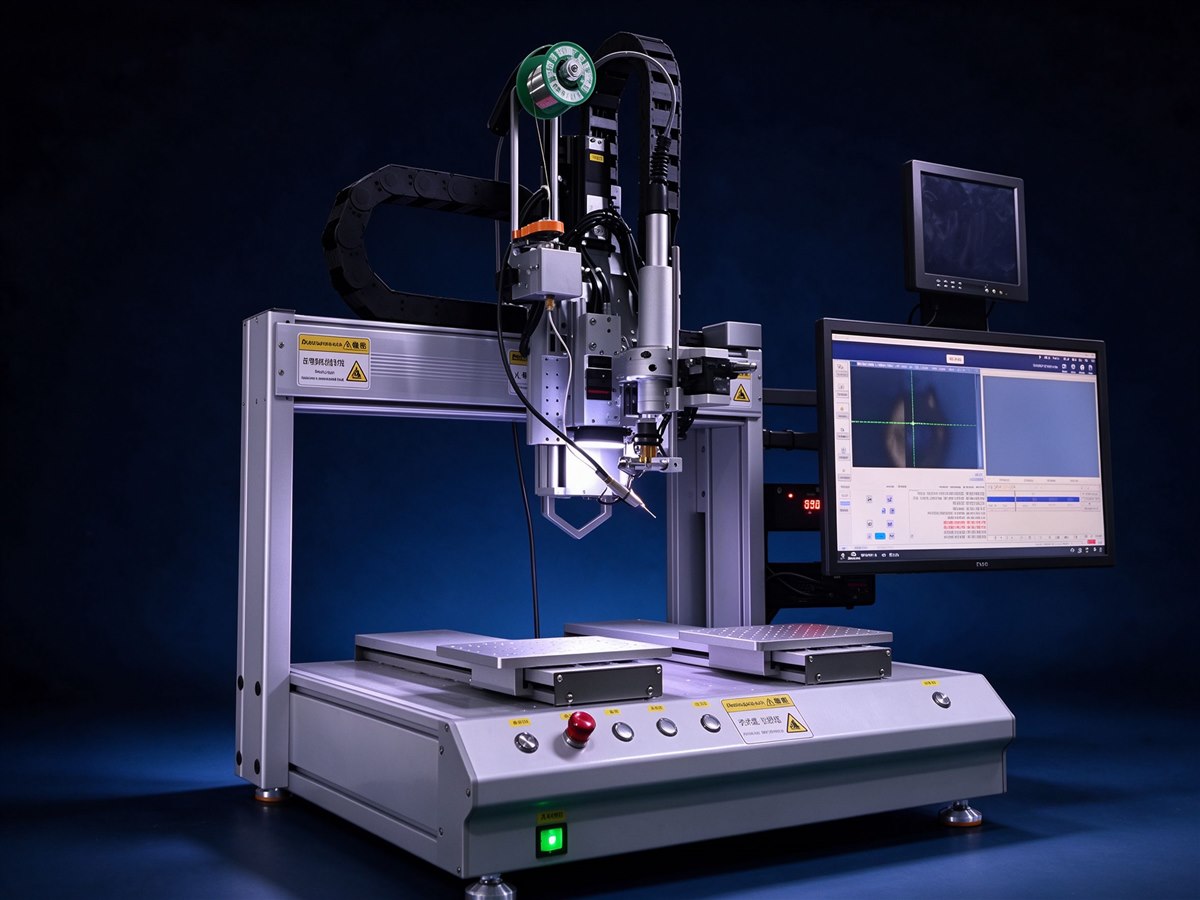
Laser soldering machines
Semiconductor laser heating, coaxial CCD positioning and automatic wire feed, in desktop and inline formats for batch and continuous production.
View the machine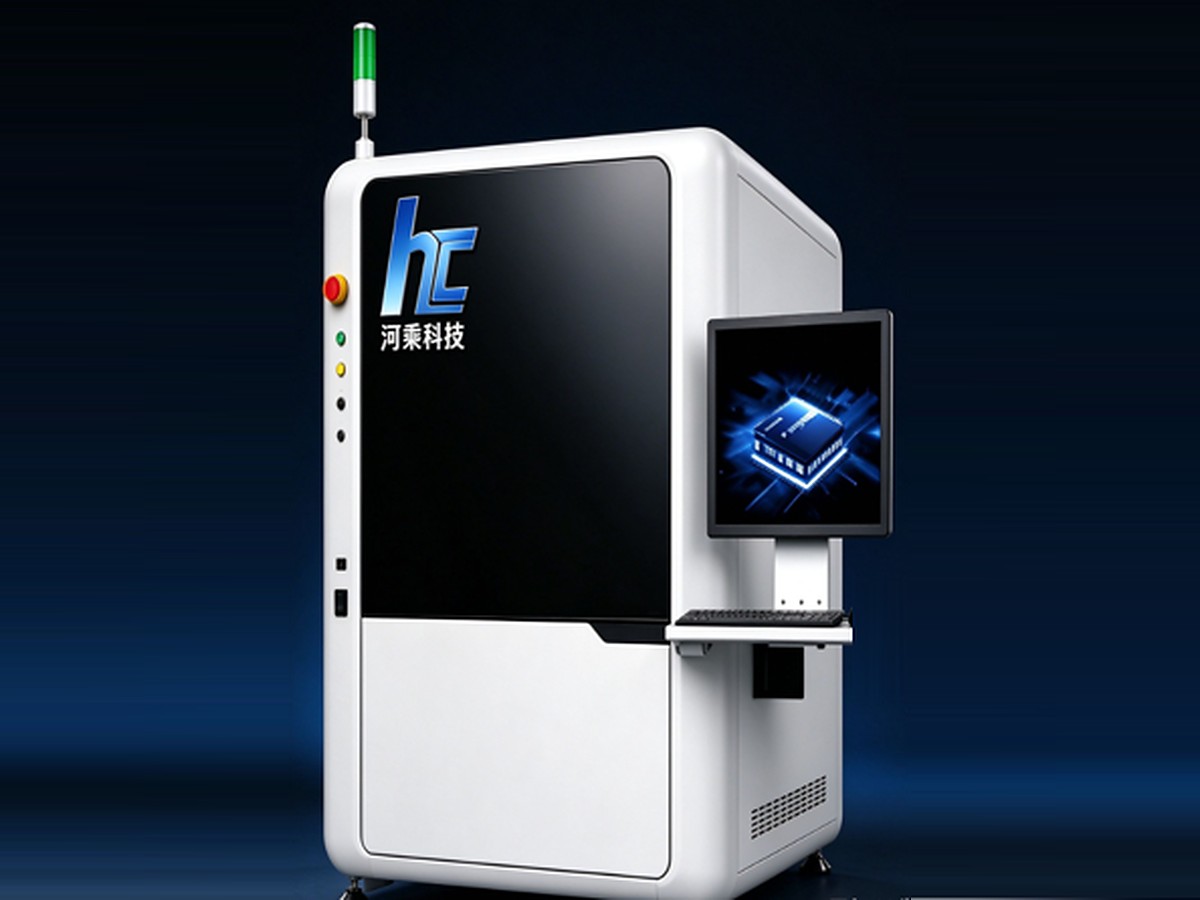
Laser solder ball jetting
Disc-fed solder balls from 100 to 1800 µm, melted by laser without contact and released with nitrogen, built for micro joints.
View the machine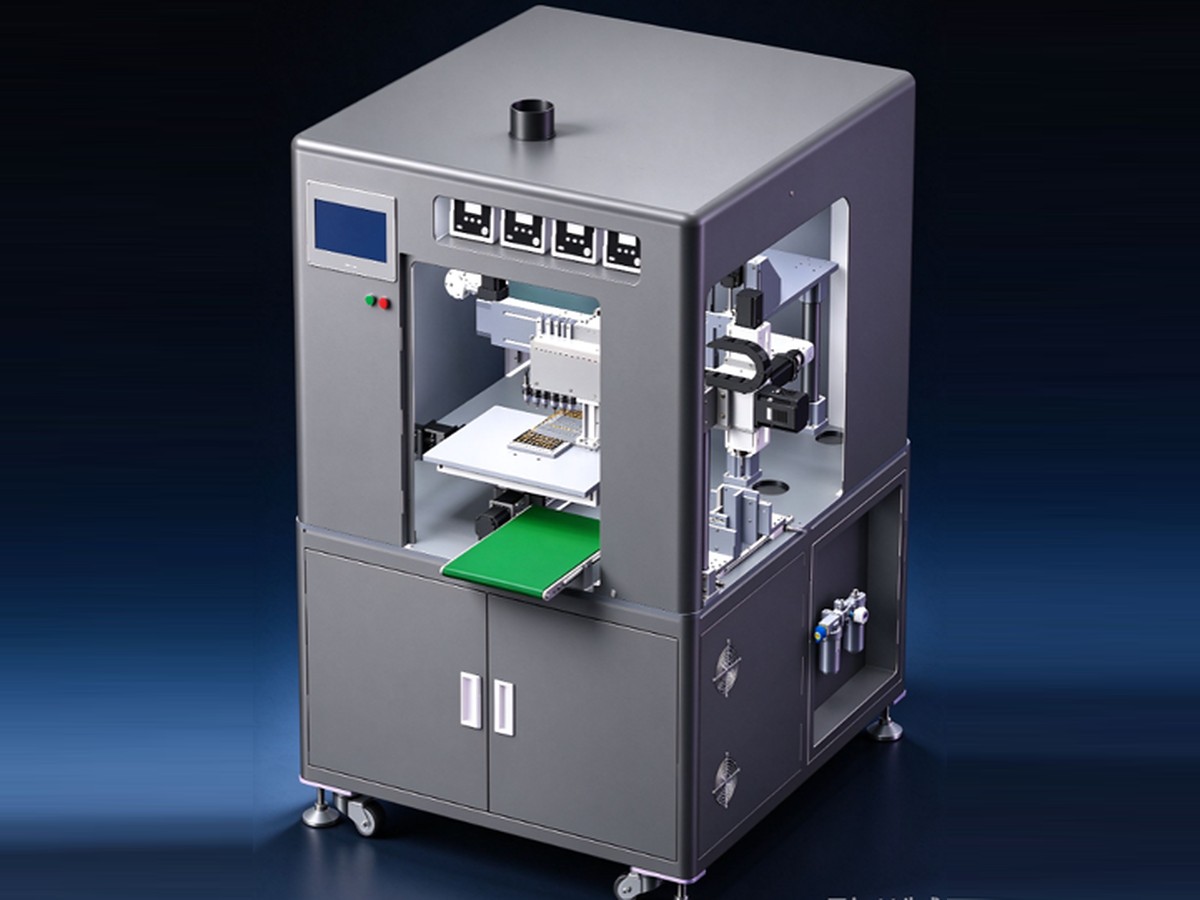
Automatic wire soldering
From a semi-automatic single unit to a 24-axis line: cutting, stripping, tinning, picking and soldering inside one cycle, for 1 to 6 wire colours.
View the machineAsk for a configuration for your part.
Send the part photo, the joint position and the cycle time; the reply is a process judgement and a machine layout.